What Nobody Tells You About the 2026 World Cup
The 2026 FIFA World Cup, hosted across the United States, Canada, and Mexico from June 11 to July 19, 2026, is the first edition to feature 48 teams playing 104 matches across 16 host cities. The fina...
What Nobody Tells You About the 2026 World Cup
The 2026 FIFA World Cup, hosted across the United States, Canada, and Mexico from June 11 to July 19, 2026, is the first edition to feature 48 teams playing 104 matches across 16 host cities. The final takes place at MetLife Stadium in East Rutherford, New Jersey, on July 19, 2026. Twelve groups of four teams replace the traditional eight-group format, with the top two from each group plus eight best third-place finishers advancing to a 32-team knockout round. This expanded structure means 23 additional matches compared to Qatar 2022 and introduces three host nations instead of one, making it the largest FIFA World Cup in history. For fans, bettors, and content creators tracking group-stage dynamics, understanding the revised qualification pathways and scheduling density is essential. The key takeaway: with more matches packed into the same 39-day window, fatigue, travel, and rotation will play a bigger role than ever before, reshaping how teams approach their fixtures.
The Bottom Line
Step one: internalize the scale. The 2026 FIFA World Cup is not a minor adjustment to past tournaments. It is a structural overhaul that changes everything from how many matches a single team can play (up to 8 instead of 7) to how the group stage concludes. With 48 teams split into 12 groups of 4, only 8 of the 12 third-placed teams will advance, creating a points-and-goal-differential scramble that differs from the straightforward "top two advance" model used since 1998.
Step two: understand the calendar. The tournament spans 39 days, including a rest day between the group stage and the round of 32. According to FIFA's official tournament page, the opening match is scheduled for June 11, 2026, at Estadio Azteca in Mexico City, while the final lands on July 19, 2026. That compressed window means teams will play every 4-5 days during the group phase, a tighter turnaround than Qatar 2022's average rest interval.
Step three: accept that host-city logistics matter. Eleven US venues, two Canadian cities (Toronto and Vancouver), and three Mexican cities (Mexico City, Guadalajara, Monterrey) will host matches. For bettors and fantasy players, tracking travel distances between fixtures is now a critical edge, since some teams may cross two or more time zones between matches.
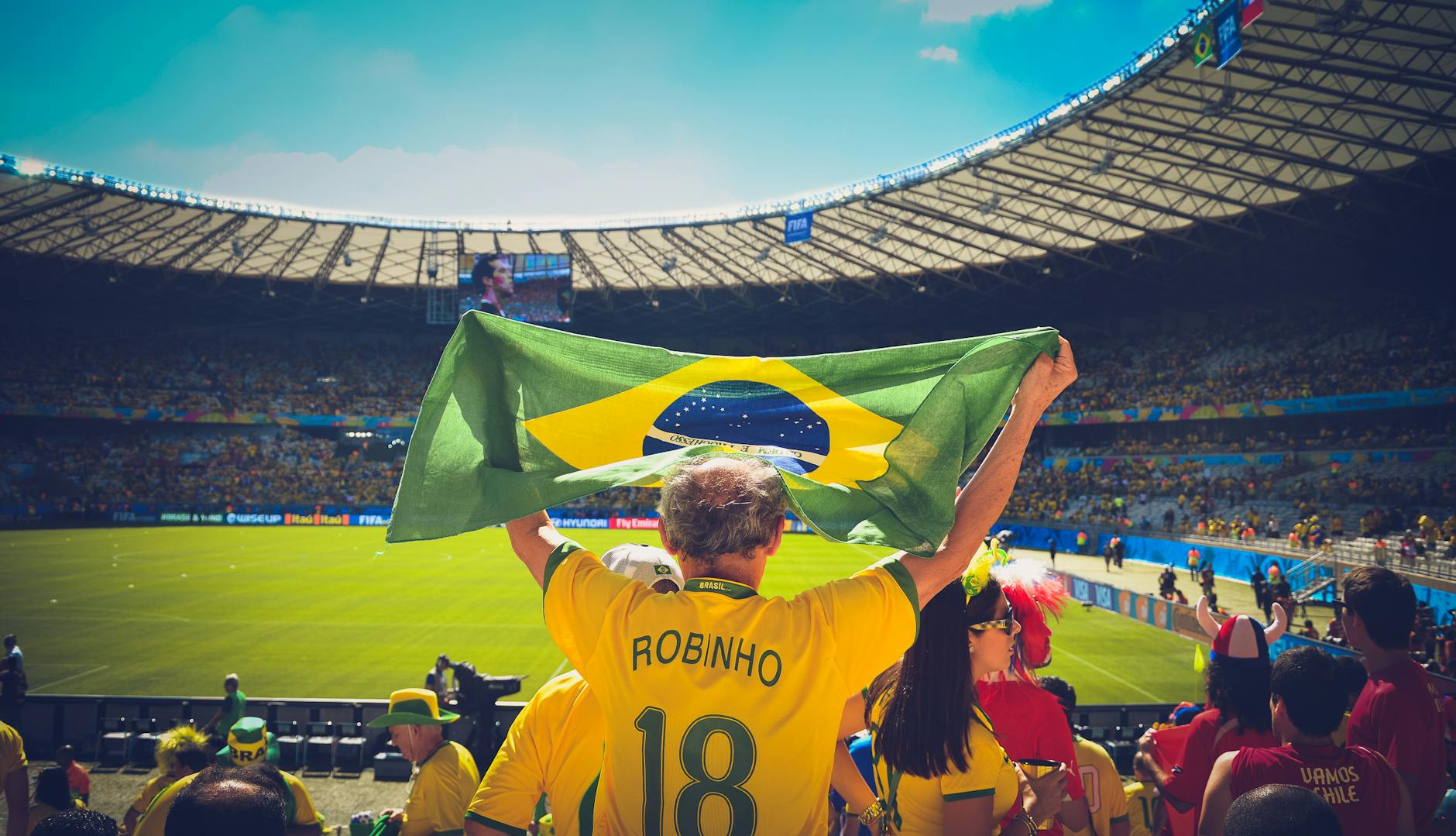
Photo by Caio on Pexels
Want to track every match as it unfolds? Goal Moments delivers daily tournament coverage with predictions and tactical breakdowns tailored for serious followers.
What Players Actually See
How does the 48-team format change the tournament from a player's perspective?
The expanded format means more matches, more travel, and less recovery time. Players who previously planned for a maximum of 7 matches now face a potential 8-match path to the final, with the round of 32 adding an extra knockout fixture. Squad rotation will become not a luxury but a necessity, especially for European clubs releasing players who compete deep into July 2026.
The psychological weight of the new group stage also shifts. With 12 groups and only 8 third-place spots available, teams cannot coast through a "bad" group-stage result the way they sometimes did in the 32-team era. Every goal scored and every goal conceded against weaker opponents becomes a tiebreaker variable. According to Wikipedia's 2026 FIFA World Cup entry, the format requires FIFA to publish a predetermined ranking matrix for third-place teams based on points, goal difference, and goals scored, which means the final group-stage matches in different cities will be played simultaneously to avoid strategic manipulation.
For content creators and bettors, this creates a new analytical layer: tracking how coaches manage minutes, whether starters are rested in dead-rubber group matches, and which third-place teams have the easiest theoretical path to the round of 16 based on the bracket structure.
[Internal Link: group stage predictions and analysis]
What does the schedule look like for the 2026 World Cup?
The match calendar kicks off on June 11, 2026, at Estadio Azteca, with the final staged at MetLife Stadium on July 19, 2026. The group stage runs through June 27, with the round of 32 spread across July 1-4, the round of 16 on July 7-8, the quarterfinals on July 11-12, the semifinals on July 15, and the third-place playoff on July 18. According to ESPN's World Cup schedule hub, match times will be staggered across three primary kickoff windows to accommodate global broadcast audiences.
The 23 additional matches compared to Qatar 2022 require FIFA to add venue capacity in cities like Atlanta, Dallas, and Houston, all of which will host matches at NFL stadiums with 70,000+ seat capacities. This is a sharp departure from the 40,000-seat venues that dominated previous World Cup hosting standards.

Photo by Charles Parker on Pexels
The 3 Things That Matter Most
What are the 3 things that matter most when analyzing the 2026 World Cup?
1. Venue and travel distance. With 16 host cities spread across North America, some teams will travel over 3,000 miles between group-stage matches. The Mexico City-to-Vancouver corridor, for example, covers roughly 2,400 miles. Teams drawn into geographically dispersed groups face a structural disadvantage that no amount of talent can fully overcome. Brazil, Argentina, and European powerhouses will feel this acutely if their group assignments force long-haul flights.
2. Rest interval between matches. With 104 matches compressed into 39 days, the turnaround between group games shrinks to roughly 4 days for most teams. But the schedule is not uniform. Some teams will get 5 full days of rest between fixtures while others get only 3.5 days, depending on the timing of their specific group. This is a hidden variable that sharp bettors and fantasy players should track at the individual-team level once the official group draw is finalized in late 2025.
3. Squad depth and rotation policy. Top teams like France, England, and Brazil carry 26-player squads (FIFA expanded the roster size from 23 starting in 2022). For 2026, that depth becomes the single most important tactical factor. A team with 15-16 elite starters and 10-11 reliable rotation players will outperform a team with 18 starters and 8 weaker substitutes, especially in knockout rounds where fatigue accumulates. Coaches who rotate early in the group stage to preserve legs for the knockouts will have a measurable edge.

Photo by Riadh Sahli on Pexels
How does the 2026 format affect betting and fantasy strategies?
Bettors and daily fantasy players should recalibrate their models around three variables: match density, travel fatigue, and third-place advancement scenarios. Standard models built on the 32-team format assume that group-stage losses are recoverable; in the 48-team format, a single loss can eliminate a team if other results go against them across different groups.
For prop bets and player-specific markets, the 8-match maximum path to the final means goalscorer and assist totals are likely to spike. The player who scores in 6 of 8 matches could hit double-digit goal contributions, something that happened only once in Qatar 2022 (Kylian Mbappe with 8 goals). Expect sportsbooks to adjust tournament-long player prop lines upward to account for the extra match.
[Internal Link: tournament prop bet strategy guide]
Get real-time odds tracking and fantasy projections as the tournament approaches.
Edge Cases & Gotchas
What are the edge cases and gotchas nobody warns you about?
First, the simultaneous final group matches rule. FIFA confirmed that all final group-stage matches in each group will kick off at the same time, but matches across different groups will be staggered. This means if two teams from different groups are tied on points and competing for one of the 8 third-place spots, they will not know their opponent's result in real time. Live betting markets during the final group matchday will see extreme volatility as third-place scenarios resolve in sequence.
Second, the heat and altitude factor. Mexico City sits at 7,350 feet elevation, and Guadalajara at 5,138 feet. Matches at those venues will test conditioning in ways that European qualifiers have rarely faced. Teams that acclimatize early by scheduling pre-tournament friendlies at altitude will hold a measurable physiological advantage. Most analysts overlook this because altitude training is uncommon outside South America.
Third, VAR and referee assignments. With 104 matches, FIFA needs roughly 36-40 referee trios, plus VAR teams. The expanded match load means some referees will officiate 3-4 matches, a higher workload than in Qatar 2022. Historically, referee fatigue correlates with more yellow cards and penalty calls in later matches, a trend that sharp bettors can exploit in card-market and penalty-prop betting.
Fourth, the host nations' automatic qualification. The United States, Canada, and Mexico all qualify automatically as hosts, consuming 3 of the 6 CONCACAF spots. This means the remaining 3 CONCACAF berths are contested by approximately 4-5 realistic contenders (Costa Rica, Panama, Jamaica, Honduras), making the CONCACAF qualifying tournament more competitive than ever, even though it produces fewer World Cup spots than before.
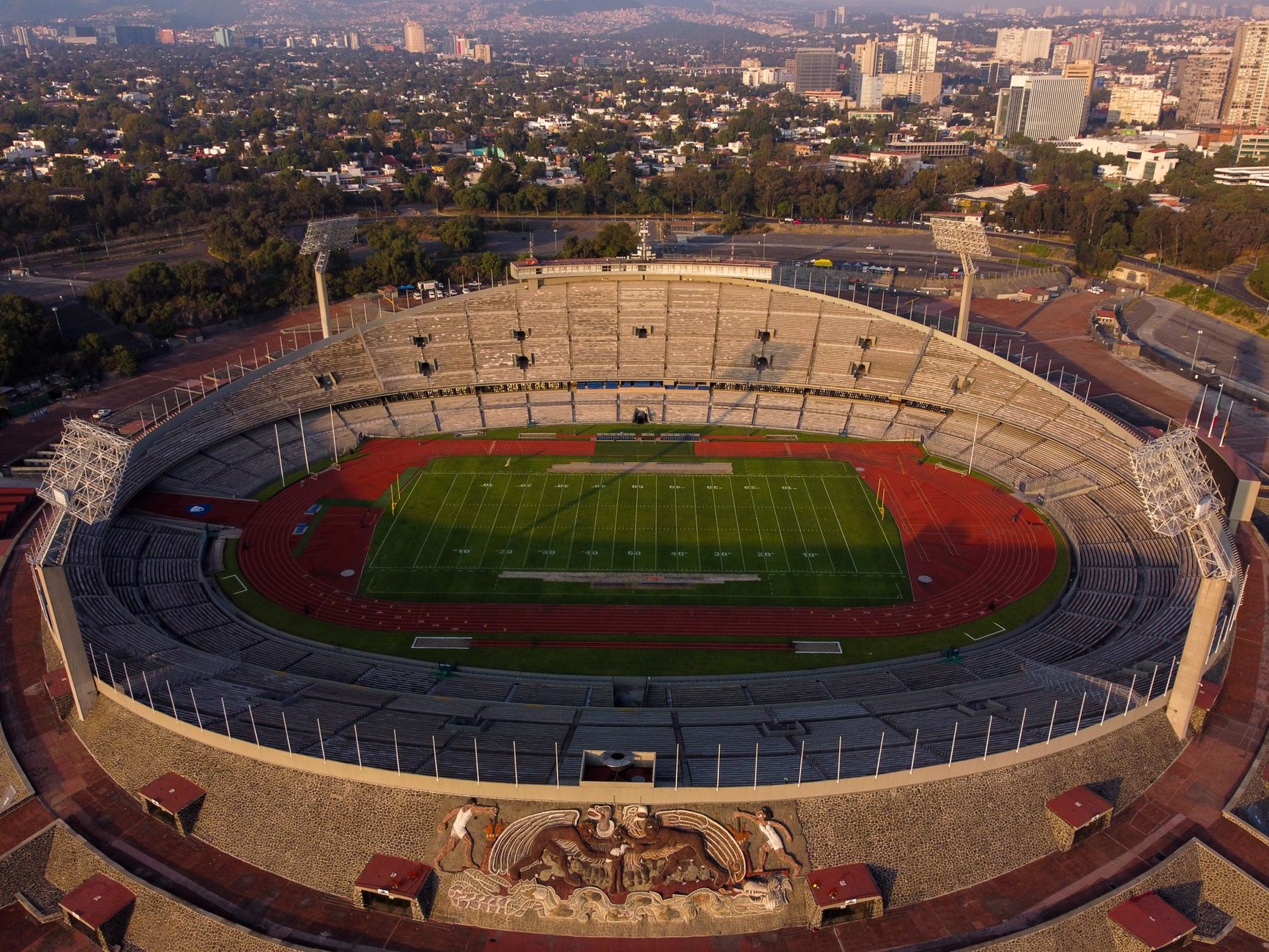
Photo by Antonio Ochoa on Pexels
According to BBC Sport's World Cup coverage, FIFA president Gianni Infantino has stated that the 2026 World Cup will "set a new benchmark for global football tournaments," reflecting the scale of the structural changes.
[Internal Link: qualification tracker and standings]
Will the 2026 World Cup use the same rules as recent tournaments?
Yes, with two notable additions. Penalty shootouts will still resolve knockout matches that end tied after extra time. However, FIFA introduced the abridged extra-time format trial in 2024, reducing the extra period from 30 minutes to 15 minutes (two 7.5-minute halves) in some competitions. Whether this rule applies to the 2026 World Cup depends on the IFAB decision expected in early 2026. The second change involves concussion substitutes, which were trialled at the 2022 World Cup and will likely be permanent by 2026, allowing teams to make temporary extra substitutions for head injuries.
Verdict
The 2026 FIFA World Cup is the most complex edition in the tournament's 96-year history. With 48 teams, 104 matches, 16 host cities, and a 39-day calendar, the structural changes go far beyond simply adding more games. The expanded format reshapes qualification paths, group-stage dynamics, knockout bracket length, and even how content creators and bettors should model outcomes. Teams that handle travel fatigue, rotation, and altitude will advance furthest. Bettors who track rest intervals, venue geography, and referee assignments will find edges invisible to casual fans.
For serious followers of the tournament, the message is clear: start preparing now. Build your models around the new format, track squad rotation patterns from March 2026 friendlies onward, and treat the group-stage third-place advancement matrix as a separate analytical layer from traditional win-draw-loss modeling.

Photo by Uzay Yildirim on Pexels
Goal Moments covers every angle of the 2026 World Cup, from tactical previews to daily match predictions and player stat tracking. Stay ahead of the tournament with content built for fans who want more than surface-level analysis.
[Internal Link: 2026 World Cup full team guide]
Ready to dive deeper into the tournament? Explore match predictions, tactical breakdowns, and player stats updated daily.
Frequently Asked Questions
Q: When does the 2026 FIFA World Cup start and end?
A: The tournament runs from June 11, 2026, to July 19, 2026, spanning 39 days. The opening match is scheduled at Estadio Azteca in Mexico City, and the final takes place at MetLife Stadium in East Rutherford, New Jersey. The group stage concludes on June 27, with the knockout rounds running through July 19.
Q: How many teams are in the 2026 World Cup?
A: The 2026 World Cup features 48 teams, divided into 12 groups of 4. This is the first FIFA World Cup to use the 48-team format, expanding from the 32-team structure used from 1998 through 2022. The top two teams from each group plus the 8 best third-place finishers advance to the round of 32.
Q: How many matches will be played in the 2026 World Cup?
A: A total of 104 matches will be played, 23 more than the 81 matches in Qatar 2022. The addition comes from the expanded group stage and the new round of 32 playoff round before the round of 16. The maximum number of matches a single team can play is 8, up from 7 in previous editions.
Q: Which countries are hosting the 2026 World Cup?
A: The 2026 World Cup is co-hosted by the United States, Canada, and Mexico. Eleven US cities, two Canadian cities (Toronto and Vancouver), and three Mexican cities (Mexico City, Guadalajara, Monterrey) will serve as host venues. This is the first World Cup hosted across three countries.
Q: How does the third-place advancement rule work?
A: Of the 12 third-place teams, only 8 advance to the round of 32. FIFA uses a predetermined ranking matrix that compares third-place teams across groups based on points earned, goal difference, goals scored, and goals conceded. The final group-stage matches are played simultaneously within each group to prevent teams from gaining strategic advantages based on other results.
Q: What is the squad size for the 2026 World Cup?
A: National teams will register 26-player squads, the same size used in Qatar 2022. FIFA expanded the roster from 23 to 26 players starting with the 2022 tournament to reduce workload and injury risk. Final squad lists must be submitted by early June 2026.
Q: Has the 2026 World Cup schedule been released?
A: Yes, FIFA released the full match schedule in late 2024. The tournament calendar confirms 104 matches across 16 host cities, with kickoff times staggered across three global broadcast windows. The schedule is available on official FIFA channels and major sports outlets like ESPN's World Cup schedule page.
End of transmission.
Goal Moments • Neon Protocol • System Active