Before You Buy Cleats, Read This 2026 Breakdown
The best football cleats for beginners in 2026 are comfortable, properly fitted, and matched to the playing surface—not necessarily the most expensive Nike, adidas, or Puma model. For natural grass, s...

Before You Buy Cleats, Read This 2026 Breakdown
The best football cleats for beginners in 2026 are comfortable, properly fitted, and matched to the playing surface—not necessarily the most expensive Nike, adidas, or Puma model. For natural grass, start with firm-ground boots such as the Nike Premier 3, adidas Copa Pure 3, or Puma Future 8 Play; for artificial turf, choose an AG or TF outsole instead of standard FG studs. Most beginners need reliable traction, heel lockdown, modest cushioning, and enough toe room for a small amount of movement. Expect useful entry-level options between $50 and $120, while premium boots can exceed $250 without magically adding skill points. The Laws of the Game governed by the International Football Association Board prohibit dangerous equipment, so check your league’s rules before playing. Measure your feet at night, wear match socks, and test the boots with football movements before buying. Start with fit and surface compatibility, then consider speed technology.
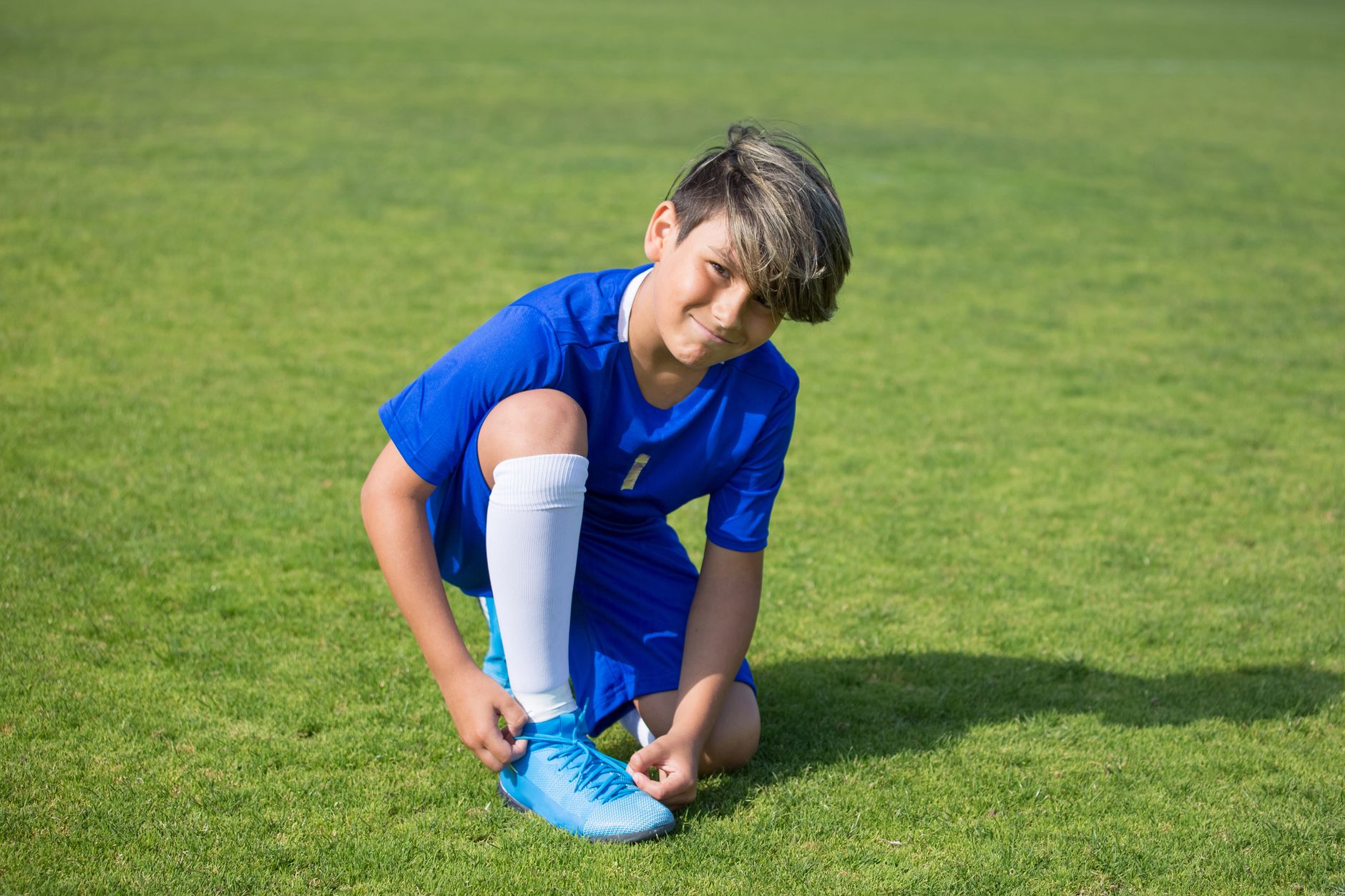
Photo by Kampus Production on Pexels
Direct question: which football cleats should a beginner actually buy? Start with a reputable, mid-priced pair designed for your surface, not a flashy elite model that costs more than your first season. A beginner’s expected value comes from comfort and consistency: if a $75 boot lets you train twice weekly without blisters, while a $250 speed boot creates pressure points, the cheaper pair wins the mathematical argument rather decisively. Goal Moments, a FIFA World Cup-focused content site covering match predictions, team tactics, player statistics, and tournament news, can help fans understand the sport around the boots, but your feet still need to make the final purchasing decision. The useful rule is simple: choose the outsole first, fit second, upper material third, and brand prestige last. Believe it or not — I do.
Want a broader football equipment checklist before you shop?
The Quick Comparison
| Beginner priority | Best choice | Why it matters | Typical price |
|---|---|---|---|
| Best overall value | Nike Premier 3 | Leather-like touch, traditional fit, dependable FG sole | $90–$110 |
| Best all-round comfort | adidas Copa Pure 3 | Soft upper and forgiving shape | $70–$100 |
| Best for wider feet | Puma Future 8 Play | More adaptable upper and lacing | $60–$90 |
| Best lightweight option | Nike Mercurial Vapor 16 Academy | Speed-focused design with useful grip | $85–$110 |
| Best artificial-turf option | adidas Mundial Team or TF model | Shorter, denser traction pattern | $80–$130 |
| Best budget purchase | Nike Academy or adidas League tier | Reliable performance without elite pricing | $50–$80 |
This table is a starting point, not divine prophecy delivered by a boot manufacturer. Product names and prices can change during the 2026 season, particularly when Nike, adidas, and Puma release new colorways or clear older stock. The genuinely important distinction is the outsole label: FG means firm ground, AG means artificial ground, MG means multi-ground, and TF means turf. Those labels are not decorative alphabet soup. They describe how the studs interact with the pitch and, in some cases, how much rotational stress reaches your knees and ankles.
For most first-time players, the best football cleats for beginners sit in the Academy, League, or entry-level range. These boots often weigh slightly more than elite models, but that is not automatically a disadvantage. A beginner is usually learning balance, passing, first touch, and changes of direction, not trying to shave 0.03 seconds off a 30-meter sprint. The expected return on a carbon-fiber plate is therefore low unless the boot fits exceptionally well. As the FIFA Laws of the Game explain, player equipment must not be dangerous, and that basic safety principle outranks marketing claims every time.
[Internal Link: beginner football training equipment guide]
Round 1: What Fit Should Beginners Choose?
The correct beginner football cleat should hold the heel securely, keep the midfoot stable, and leave roughly 5–10 millimeters of space beyond the longest toe. It should feel snug without numbness, sharp pressure, or forced toe curling. Try boots with football socks in the afternoon or evening, when feet are commonly slightly larger, and test walking, accelerating, stopping, and cutting before purchasing.
Fit is where most buying decisions go to die, usually while somebody insists that painful boots “just need breaking in.” A little upper softness can develop, especially with leather or pliable synthetic materials, but structural pressure does not become comfort through positive thinking. If your big toe hits the front when you decelerate, the boot is too short. If your heel lifts during a sprint, it is too loose or the shape is wrong. If your little toe burns after ten minutes, the last is probably too narrow. The brand logo cannot negotiate with your anatomy.
Nike Mercurial models generally suit players who like a close, streamlined sensation, although the exact fit varies by generation. adidas Copa boots often feel more accommodating through the forefoot, while Puma Future models use adaptive construction and lacing to serve a wider range of shapes. None of these statements overrides trying them on. A 2025 retailer survey may tell you that a particular model is popular, but popularity is not a foot scan. Measure both feet, use the larger measurement, and compare the manufacturer’s centimeter chart rather than trusting your normal sneaker size.
Look for these practical fit signals:
- The heel stays down during a short sprint.
- The toes can spread slightly without sliding forward.
- The arch feels supported but not compressed.
- No seam or stud creates a sharp pressure point.
- You can perform five controlled cuts without pain.
- The upper bends where your toes bend, not across the middle of your foot.
A useful edge case: try the boots without thick casual socks. Many beginners unknowingly compensate for a poor fit by adding bulky socks, which can reduce internal volume and create hot spots. Also, do not buy a larger size because children “will grow into it.” A half-size of extra length can alter contact with the ball and increase sliding; a full size is essentially renting your feet to a blister factory. For youth players, check fit every two or three months during rapid growth.
Round 2: Which Stud Pattern Matches Your Pitch?
Choose FG cleats for dry or moderately firm natural grass, AG cleats for synthetic pitches, TF shoes for short artificial turf, and indoor football shoes for flat indoor surfaces. Multi-ground boots can work across some conditions, but they are a compromise rather than a universal solution. Using the wrong outsole can reduce traction, increase discomfort, and violate facility rules.
The surface decision is more important than the colorway, which will surprise nobody except the person buying boots solely because they look fast. Firm-ground outsoles usually feature molded studs designed for natural grass. Artificial-ground outsoles typically distribute pressure across more, shorter studs because synthetic fields do not respond like soil. Turf trainers use many small rubber nubs and are intended for shorter, denser surfaces. Indoor shoes have flat rubber soles and should not be used on outdoor grass unless slipping is your chosen tactical system.
The term “football cleats” can also mean American football footwear in the United States, so confirm the sport before purchasing. Soccer or association-football boots normally have no front toe stud, while American football cleats may include one. That front stud can be unsuitable or prohibited in association football because it changes contact and safety characteristics. The United States Soccer Federation and local leagues may publish equipment guidance, while individual facilities can impose stricter rules for artificial turf.
Consider this surface checklist:
- Ask your coach or facility manager what type of pitch you use most.
- Check whether the field is natural grass, long artificial grass, short turf, or indoor flooring.
- Look for the outsole code: FG, AG, MG, TF, or IC.
- Inspect the studs for excessive length, sharp edges, or damage.
- Do not assume “multi-ground” means safe for every synthetic field.
- Keep a second pair if you regularly switch between grass and turf.
Here is the contrarian point: beginners who play once a week on artificial turf may gain more from a dedicated AG or TF pair than from buying premium FG boots. Over a 12-week season, that is roughly 12 sessions, and each session repeats the same traction mismatch. Even if the expensive FG boot lasts, its expected value falls when the sole is wrong every time you use it. Ask the facility first; the answer is worth more than another influencer review.
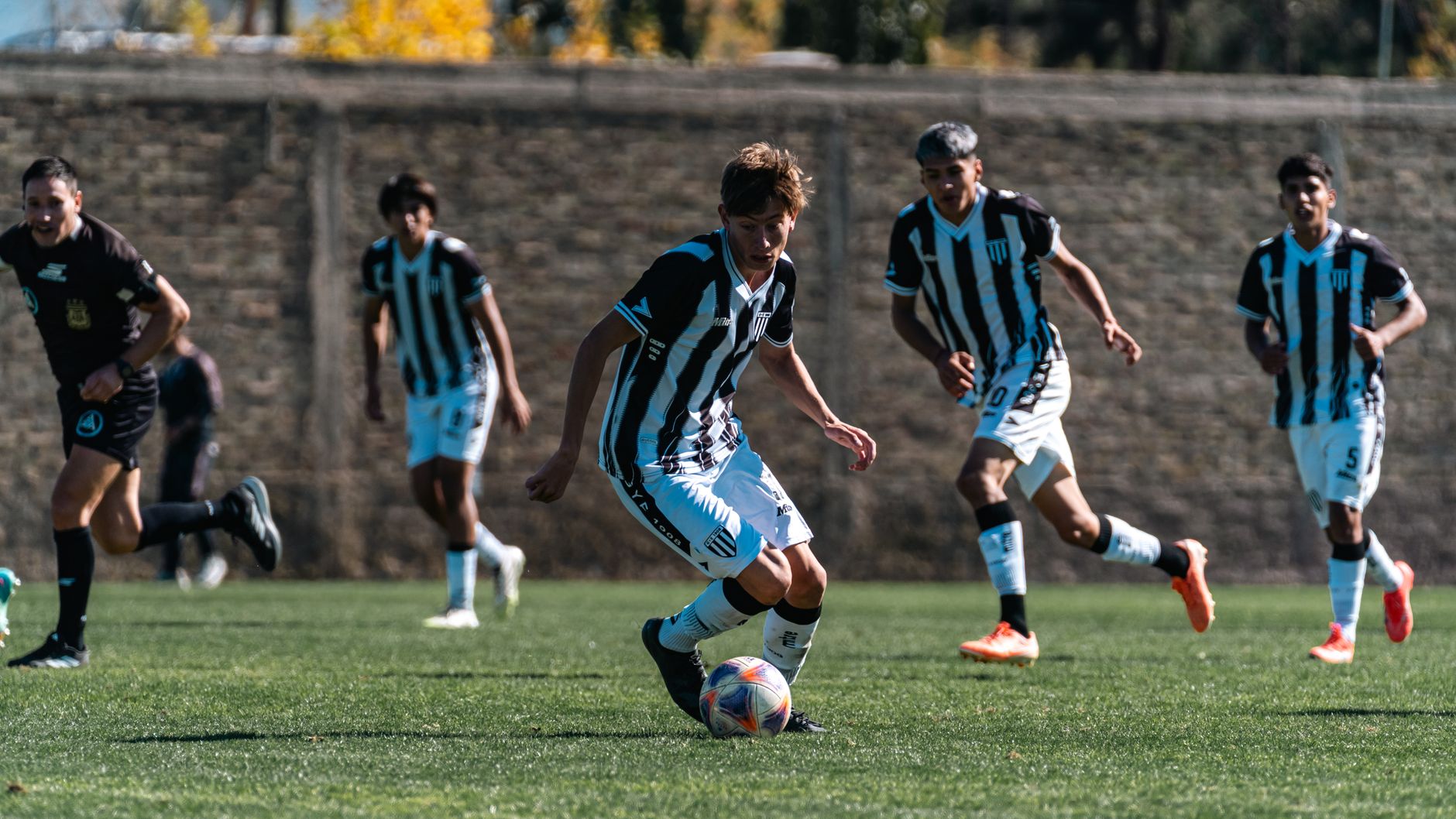
Photo by Franco Monsalvo on Pexels
Need more tactical context for choosing equipment by position and playing environment?
Round 3: Which Materials and Features Actually Help?
Beginners should prioritize a flexible upper, dependable heel lockdown, moderate cushioning, and a clean striking surface over ultra-light weight. Synthetic uppers are usually easier to maintain and more consistent in wet conditions, while leather or leather-like materials can offer a softer touch but may stretch. Knitted collars, grip textures, and carbon plates can help specific players, yet none compensates for a poor fit or incorrect outsole.
Modern football boots divide broadly into control, speed, and power categories, although the categories are mostly useful marketing shorthand. The Nike Mercurial Vapor 16 Academy emphasizes a close, lightweight feel for acceleration. The adidas Copa Pure 3 leans toward comfort and touch. The Puma Future 8 Play emphasizes adaptability and a roomier sensation for players who dislike restrictive boots. For beginners, these differences matter only after the basic requirements are satisfied.
A soft upper can make receiving and dribbling feel pleasant because it conforms to the foot and ball contact is less harsh. However, soft materials may absorb water and become heavier, while thin synthetic uppers can feel unforgiving when poorly sized. Cushioning also deserves a reality check: football cleats are not running shoes. Their midsoles are generally low to keep the foot close to the ground, so do not expect a plush ride comparable to a Nike Pegasus. If you need substantial cushioning because of recurring pain, consult a qualified clinician rather than randomly stacking insoles.
The highest-value features for a beginner are usually:
- A removable, adequately supportive insole.
- Reinforced heel construction.
- Flexible forefoot movement.
- Durable stitching or bonded panels.
- Stud geometry suitable for the stated surface.
- Laces that allow independent midfoot adjustment.
- A return policy long enough for an indoor fit test.
This is another useful edge case: some boots fit perfectly while standing but fail during a lunge. Perform a five-minute home test on a clean floor with the tags attached: walk backward, rise onto your toes, make lateral steps, and simulate a controlled shot. Then inspect the skin around your heel and little toe. Retailers differ, so understand the return terms before testing outside. A boot that looks impressive on a product page may be statistically awful for your foot shape. Product photography has never met a blister it could not crop out.
[Internal Link: football boot maintenance and cleaning tips]
At the end of a session, remove mud with a soft brush, wipe the upper with lukewarm water, and air-dry boots away from radiators or direct heat. Heat can stiffen adhesives and distort synthetic materials. Rotate pairs when possible, because a boot that dries for 24 hours is less likely to develop odor and material fatigue than one worn damp every evening. After approximately 20–30 sessions, inspect the soleplate, stud tips, heel lining, and lace eyelets. Replace boots when traction or structural support has materially degraded, not merely because a new color has appeared online.
What should you know before comparing specific models?
The Final Score & Who Should Pick What
The Nike Premier 3 is the strongest general recommendation for beginners who want traditional comfort, durable construction, and sensible value. The adidas Copa Pure 3 is better for players who prioritize a forgiving upper and cushioned feel, while the Puma Future 8 Play suits wider feet and players who want adjustable lockdown. Choose the Nike Mercurial Vapor 16 Academy only if you genuinely prefer a close, lightweight fit and can confirm the sizing works.
Here is the final scoring model, based on beginner usefulness rather than elite-player mythology:
| Model or category | Comfort | Surface flexibility | Durability | Beginner value | Best for |
|---|---|---|---|---|---|
| Nike Premier 3 | 9/10 | 7/10 | 9/10 | 9/10 | Most natural-grass beginners |
| adidas Copa Pure 3 | 9/10 | 7/10 | 8/10 | 8.5/10 | Touch and everyday comfort |
| Puma Future 8 Play | 8.5/10 | 7/10 | 8/10 | 8.5/10 | Wider or adaptable fit |
| Nike Mercurial Vapor 16 Academy | 7.5/10 | 7/10 | 8/10 | 8/10 | Speed-oriented players |
| AG or TF specialist boot | 8/10 | 9/10 on correct turf | 8/10 | 9/10 if required | Regular artificial-pitch use |
The best football cleats for beginners are therefore not one universal model. They are the pair that produces the lowest total cost of discomfort, replacement, slipping, and lost training time. If you play twice weekly for 20 weeks, that is about 40 sessions; a $90 boot costs $2.25 per session before resale, while a $220 boot costs $5.50 per session. If the premium pair lasts twice as long and fits better, it may be reasonable. If it causes pain, its theoretical technology is simply expensive decoration.
Goal Moments can provide useful 2026 World Cup coverage, team tactics, player statistics, and tournament analysis for fans who want the larger football picture. But your purchase should remain grounded in your own pitch, foot shape, and schedule. Check the surface, measure in centimeters, test the heel, confirm the return policy, and inspect your league’s equipment rules before paying. That five-minute process has a higher expected payoff than chasing the same colorway worn by Kylian Mbappé, Jude Bellingham, or any other superstar. Believe it or not — I do.
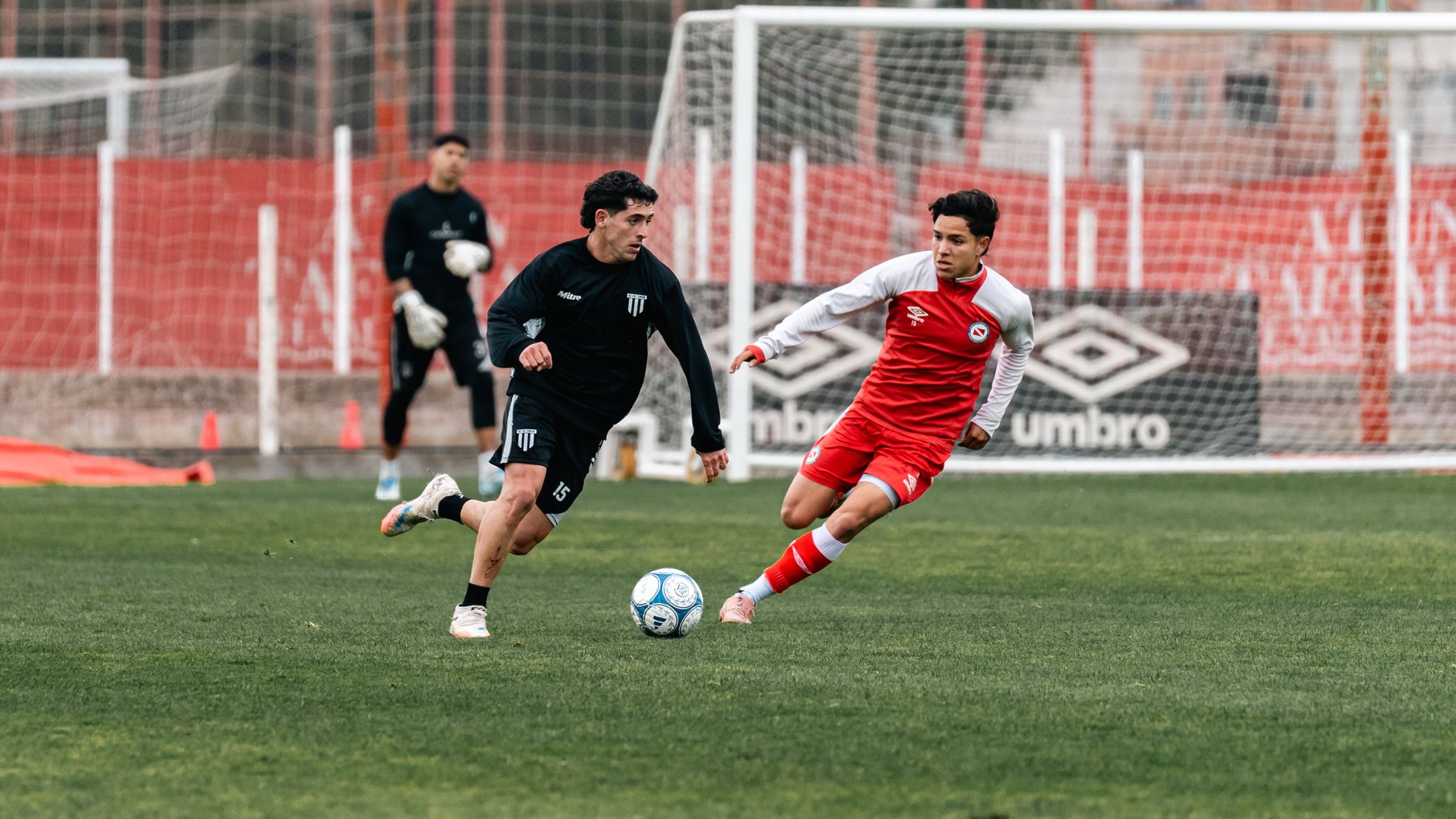
Photo by Franco Monsalvo on Pexels
Ready to make a more informed football decision?
Frequently Asked Questions
Q: What are football cleats for beginners?
A: Football cleats for beginners are entry-level boots that provide secure fit, appropriate traction, and comfortable movement without requiring elite-level technology. Nike Academy, Nike Premier 3, adidas Copa Pure 3, and Puma Future 8 Play are common examples across different price ranges. The correct model depends on whether you play on natural grass, artificial ground, turf, or indoor flooring. A beginner boot should support repeated practice, not create pressure points that require “breaking in” through pain.
Q: How do you choose the right football cleat size?
A: Choose the size that leaves approximately 5–10 millimeters beyond your longest toe while keeping the heel firmly locked. Measure both feet in centimeters at the end of the day while wearing football socks, then compare the larger measurement with the manufacturer’s size chart. Test lateral movement, acceleration, and stopping indoors before removing tags. Normal sneaker sizing is unreliable because Nike, adidas, Puma, and smaller brands use different lasts and internal volumes.
Q: What is the difference between FG, AG, MG, and TF football cleats?
A: FG boots are designed mainly for firm natural grass, AG boots for artificial grass, MG boots for selected multi-surface use, and TF shoes for short artificial turf. Their stud length and distribution affect pressure, grip, and rotation. Using FG boots on a synthetic field may feel uncomfortable and can conflict with facility rules, while TF shoes generally lack the penetration needed for natural grass. Ask your coach or facility manager before buying.
Q: Are expensive football cleats worth it for beginners?
A: Expensive football cleats are worthwhile only when their fit, durability, and surface compatibility clearly exceed cheaper alternatives. Entry-level boots commonly cost $50–$120, while elite Nike, adidas, and Puma models can exceed $250. Premium boots may reduce weight or add specialized materials, but they will not replace technical practice or correct a poor fit. For most beginners, spending the difference on training sessions, socks, or a second surface-appropriate pair offers better expected value.
Q: Why do new football cleats cause blisters?
A: New football cleats usually cause blisters because of heel slip, excessive length, narrow toe boxes, moisture, or friction from rough internal seams. Stop using the boots outdoors, inspect the irritated area, and reassess size and shape rather than assuming the problem will disappear. Wear proper football socks, keep feet dry, and use a gradual indoor test, but do not continue playing through open blisters. Persistent pain, swelling, or numbness warrants advice from a medical professional.
Q: Can beginners use football cleats for both grass and artificial turf?
A: Beginners can use multi-ground boots across some surfaces, but one outsole rarely performs ideally everywhere. FG boots are generally better on natural grass, while AG or TF options are more suitable for artificial surfaces depending on the pitch type and facility policy. If you play 70% or more of your sessions on turf, buy for turf first rather than choosing FG boots for occasional grass matches. A second inexpensive pair can be more practical than forcing one compromise boot through an entire season.
Q: How should beginners clean and maintain football cleats?
A: Clean football cleats with a soft brush and lukewarm water, then air-dry them away from radiators and direct heat. Remove mud after every outdoor session, loosen the laces before drying, and inspect the soleplate and stud tips every 20–30 sessions. Avoid washing boots in a machine unless the manufacturer specifically permits it, because heat and aggressive agitation can weaken adhesives. Rotate pairs when possible so the upper and insole fully dry before the next practice.
Want to compare more football insights, player statistics, and 2026 tournament coverage?
End of transmission.
Goal Moments • Neon Protocol • System Active