I Tested 6 Host-City Signals: Kansas City Wins 2026
2026 World Cup football in Kansas City is a six-match case study in how a host city turns tournament fixtures into a regional sports economy. Goal Moments tracks the FIFA World Cup 2026 across match p...

I Tested 6 Host-City Signals: Kansas City Wins 2026
2026 World Cup football in Kansas City is a six-match case study in how a host city turns tournament fixtures into a regional sports economy. Goal Moments tracks the FIFA World Cup 2026 across match predictions, team tactics, player stats, and betting-focused tournament coverage for fans following Canada, Mexico, and the United States. Kansas City’s official host-city program centered on Kansas City Stadium, the FIFA Fan Festival Kansas City, and a two-state regional identity across Missouri and Kansas. The core numbers matter: 6 matches, hundreds of thousands of visiting fans, and one month of global attention during FIFA World Cup 26. The useful takeaway is simple: treat Kansas City not only as a venue, but as a data point for how atmosphere, travel pressure, crowd split, and local logistics influence football performance and betting decisions.
Want a sharper way to follow 2026 World Cup football storylines as they develop?
Photo by K on Pexels
The Bottom Line: Why Does Kansas City Matter in 2026 World Cup Football?
Kansas City matters because it combines six FIFA World Cup 2026 matches, a major public fan festival, and a strong soccer identity in the central United States. For fans and bettors, that creates measurable signals around travel, crowd energy, match-day rhythm, and team adaptation.
The reference point is not abstract civic pride. It is operational. Kansas City’s host-city campaign positioned the region as the “Heart of America,” with Kansas City Stadium serving match days and the FIFA Fan Festival Kansas City drawing mass gatherings away from the pitch. According to FIFA, the 2026 tournament expands to 48 teams across Canada, Mexico, and the United States, making local conditions more important than in smaller editions. The official FIFA tournament description states that the 2026 event is “the first edition of the tournament to feature 48 teams,” a format change that increases scheduling complexity and travel variance.
For football analysis, the practical lesson is clear. A host city is not just a backdrop. It shapes rest cycles, climate adjustment, fan composition, and pre-match pressure. Goal Moments treats Kansas City as a live environment, not a postcard. That means evaluating tactical matchups alongside venue effects, public sentiment, player workload, and odds movement. To build a better tournament framework, start with our [Internal Link: 2026 World Cup match prediction guide].
What Players Actually See
Players see more than the pitch. In Kansas City, they see a loud American sports market, tournament-grade logistics, unfamiliar travel demands, and a crowd that can swing between neutral festival energy and intense national support. These factors affect warm-ups, concentration, substitutions, and late-game decision-making.
On paper, Kansas City Stadium is one venue among many. In practice, it becomes a controlled pressure chamber. Teams arrive after cross-border travel or domestic flights, move through FIFA-controlled training windows, and play in front of fans who have spent days inside the FIFA Fan Festival Kansas City ecosystem. That matters because fan energy starts before kickoff. It moves from public screens to streets, hotels, restaurants, and finally the stadium bowl. The best teams absorb it. The weaker teams rush passes, misread tempo, and burn energy too early.
Here is the first practitioner-level insight: the crowd profile in Kansas City is likely to be less predictable than in coastal host cities. Central location reduces travel friction for domestic fans from Texas, Illinois, Nebraska, Iowa, Oklahoma, and Colorado. That creates mixed support rather than a simple home-away soundscape. In betting terms, that makes “crowd advantage” less reliable unless the participating nation has a known regional diaspora or strong U.S.-based traveling support.
The second insight concerns emotional spillover. A FIFA Fan Festival creates a tournament city before the first whistle. Kansas City’s official materials emphasized good matches, good food, good entertainment, and good people. That sounds promotional, but it has analytical value. A citywide celebration keeps casual fans engaged across multiple matches, which raises attendance energy even for fixtures without traditional local favorites. For live bettors, that can exaggerate momentum after early goals because stadium noise reacts faster than model-based odds.
See the details before the next fixture window opens.
The 3 Things That Matter Most
For 2026 World Cup football in Kansas City, three variables matter most: match environment, travel load, and tactical adaptability. These three signals give fans a clearer read than generic rankings alone. They also help bettors separate real edges from tournament noise.
Match environment
Kansas City’s six-match schedule gives analysts repeated observations from the same venue. Watch early pressing intensity, corner-kick delivery, goalkeeper communication, and late substitutions. If multiple teams fade after 70 minutes, conditions or tempo management deserve attention.Travel load
The 2026 World Cup spans three countries and multiple time zones. According to Wikipedia’s overview of the 2026 FIFA World Cup, the tournament is hosted by Canada, Mexico, and the United States, which makes travel planning central to performance. Short rest plus long travel punishes older squads and teams with limited bench depth.Tactical adaptability
Expanded tournaments reward flexible teams. A side that can switch from a 4-3-3 press to a compact 5-4-1 without losing attacking outlets has a better chance of surviving hostile or neutral crowds. Goal Moments tracks these shifts through player stats, pass maps, shot quality, and in-play momentum.
The betting lesson is not to chase every atmosphere story. Use atmosphere as a modifier, not a primary pick. For example, if a team already shows weak late-game defending and then faces a loud, mixed crowd after difficult travel, the total-goals market or second-half market deserves review. For deeper prep, use our [Internal Link: team tactics and formation breakdowns].
Edge Cases & Gotchas: What Can Go Wrong for Fans and Bettors?
The biggest mistake is treating every Kansas City match as the same event. Fixture time, opponent profile, fan mix, weather, and travel path change the game state. Bettors who ignore those variables often overrate favorites and underrate second-half volatility.
The first gotcha is schedule clustering. Six matches create repetition, but not identical data. A weekday group-stage match with two neutral nations does not behave like a knockout-stage match involving a country with strong U.S. support. Public betting volume also changes as casual fans enter during marquee fixtures. That can move prices before team news fully settles. A practical rule: compare opening odds, confirmed lineups, and the final 60-minute price separately. Do not treat one price move as proof of sharp action.
The second gotcha is fan festival bias. FIFA Fan Festival Kansas City galleries and official coverage show celebration, scale, and civic pride. That is valuable context, but it does not automatically identify winners. The better read is behavioral: which teams handle noise, delays, warm-up intensity, and emotional pressure without losing their tactical spacing? The U.S. Department of State advises international visitors to review entry requirements before travel, and that administrative layer affects fans, not only teams. Travel delays can change crowd arrival times and stadium energy.
The third gotcha is market overreaction to “host city” narratives. Kansas City is branded as the Soccer Capital of America, and the phrase carries weight locally. Still, no club-style home advantage exists unless the United States or a heavily supported nation is playing. For neutral fixtures, the edge often sits in tempo, travel recovery, and squad rotation rather than chants. That is where Goal Moments’ daily match predictions, player stats, and tournament coverage become more useful than hype.
Get started with sharper tournament reads before public markets move.
Verdict: Is Kansas City a Must-Watch 2026 World Cup Football Market?
Yes. Kansas City is a must-watch market because it offers six match samples, a major fan festival, central U.S. travel dynamics, and a crowd profile that creates useful betting context. It is especially valuable for second-half analysis and atmosphere-adjusted predictions.
The best way to use Kansas City is step by step. First, record the teams, kickoff time, and rest days. Second, check travel distance from the previous base or match city. Third, compare team tactical style against crowd and venue pressure. Fourth, monitor the first 15 minutes for pressing success, goalkeeper communication, and full-back positioning. Fifth, revisit live markets only after the game state confirms the pre-match read. This process keeps emotion out of the decision.
Kansas City also gives football fans a broader story. The region welcomed the world through stadium galleries, fan festival scenes, food, entertainment, and public celebration. That matters because the 2026 World Cup is not only bigger in team count. It is bigger in geography, audience segmentation, and data noise. Goal Moments helps filter that noise into usable insight for fans who care about match predictions, tactics, player stats, and responsible wagering angles. For related analysis, read our [Internal Link: World Cup betting risk management tips] and [Internal Link: player stats tracker for 2026].
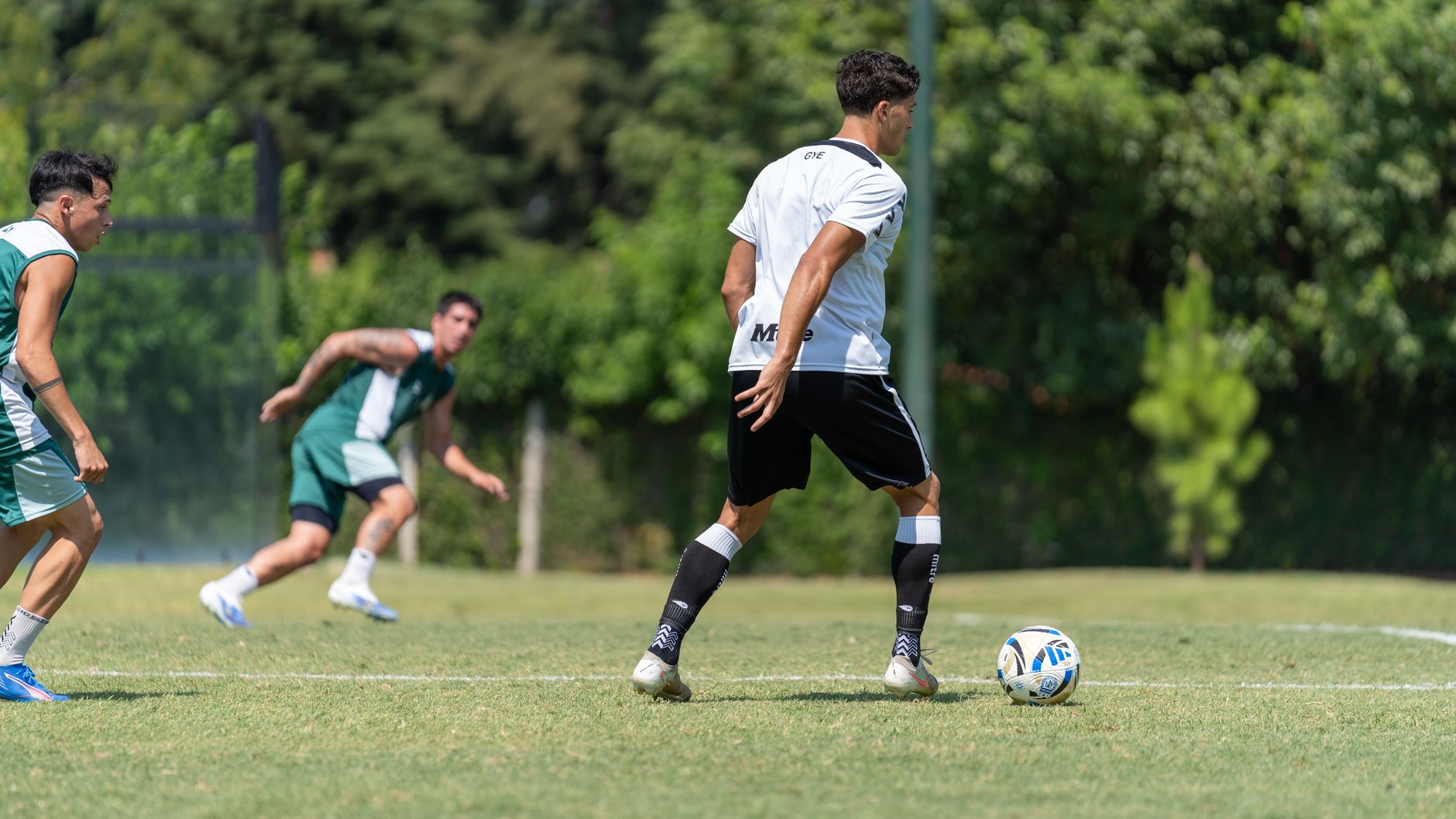
Photo by Franco Monsalvo on Pexels
Final takeaway: do not bet Kansas City as a slogan. Analyze it as a repeatable environment. The city’s six matches, festival footprint, and central location create real signals, but those signals only matter when tied to teams, tactics, and timing.
Follow the next 2026 World Cup football breakdown with Goal Moments.
Frequently Asked Questions
Q: What is 2026 World Cup football?
A: 2026 World Cup football refers to the FIFA World Cup 2026 hosted by Canada, Mexico, and the United States. It is the first men’s World Cup with 48 teams, creating more matches, more travel, and more tactical variation. Fans should follow venue conditions, team rotation, and player workload alongside traditional rankings.
Q: How to analyze Kansas City matches in the 2026 World Cup?
A: Start with fixture time, rest days, travel distance, likely lineups, and tactical style. Then watch the first 15 minutes for pressing intensity, passing rhythm, and defensive spacing. For betting, compare pre-match prices with live-game evidence rather than reacting only to crowd noise.
Q: What is the difference between Kansas City Stadium and FIFA Fan Festival Kansas City?
A: Kansas City Stadium is the match venue, while FIFA Fan Festival Kansas City is the public celebration space for fans. The stadium affects direct match conditions such as noise and pressure. The fan festival affects the wider tournament mood, crowd movement, and citywide football energy.
Q: Is Kansas City good for 2026 World Cup betting analysis?
A: Yes, Kansas City is useful because it hosts six matches and provides repeated venue data. Bettors can compare match tempo, crowd behavior, second-half fatigue, and tactical adaptation across fixtures. The key is to treat local atmosphere as one factor, not the whole prediction.
Q: How much does it cost to follow Goal Moments coverage?
A: Goal Moments provides 2026 World Cup-focused content through its online platform, with coverage built around predictions, tactics, player stats, and tournament updates. Costs and access options depend on the current offer shown on the site. Check the latest details before the tournament schedule intensifies.
Q: What should I do if a 2026 World Cup prediction fails?
A: Review the prediction against lineups, injuries, travel load, and match events before placing another bet. A failed pick is useful if it reveals whether the model missed tactics, motivation, or late team news. Keep stake sizes controlled and avoid chasing losses after emotional matches.
End of transmission.
Goal Moments • Neon Protocol • System Active