2026 Premier League Fixtures: 5 Reality Checks
The Premier League fixtures 2026/27 schedule will be created by the Premier League and released through official league channels, with the opening weekend expected in August 2026 and the final round i...

2026 Premier League Fixtures: 5 Reality Checks
The Premier League fixtures 2026/27 schedule will be created by the Premier League and released through official league channels, with the opening weekend expected in August 2026 and the final round in May 2027. The exact match dates, kick-off times, promoted clubs, and television selections cannot be treated as confirmed until publication. The 2026 FIFA World Cup in the United States, Canada, and Mexico may also affect player availability and preseason preparation, although the Premier League calendar itself remains a domestic competition schedule. Goal Moments will track fixture announcements, team form, player statistics, tactical trends, and match predictions for supporters planning the campaign. Check the official Premier League fixture list first, then verify every match through the relevant club, broadcaster, or ticket provider before booking travel or accommodation.

Photo by Huy Phan on Pexels
Is the Premier League fixtures 2026/27 schedule really predictable?
The Premier League fixtures 2026/27 schedule is predictable in its broad structure but not in its exact matchday details. The season should involve 20 clubs, 380 matches, an August 2026 start, and a May 2027 conclusion, while television selections and postponements can change individual kick-off times.
That distinction matters because football scheduling loves pretending to be a spreadsheet while behaving like a cat on a keyboard. The Premier League generally builds a balanced home-and-away programme, avoids excessive travel clustering where possible, and considers policing, stadium availability, European competition, and broadcast demand. However, the first published list is not necessarily the final version supporters will attend.
A sensible expectation is:
- 20 clubs competing across 38 league rounds.
- 380 total Premier League matches.
- Opening fixtures in August 2026.
- Final fixtures in May 2027.
- Match dates adjusted for television, cup competitions, safety, and weather.
- A Christmas and New Year period containing several high-demand fixtures.
The official Premier League website should be the primary reference point. Wikipedia can help with historical context, but it should not be treated as the final authority for live fixture changes. Statistics are useful; outdated statistics are just decorative misinformation, believe it or not — I do.
Want a clearer way to monitor the schedule as it develops?
How does the 2026/27 fixture list handle the 2026 FIFA World Cup?
The 2026 FIFA World Cup runs across the United States, Canada, and Mexico, but it is scheduled before the 2026/27 Premier League season begins. Therefore, the main issue is not direct fixture overlap but recovery time, preseason preparation, player workload, and the timing of international returns.
The World Cup is scheduled for June and July 2026, with the tournament involving 48 national teams and 104 matches under FIFA’s expanded format. That creates a practical planning problem for clubs such as Manchester City, Liverpool, Arsenal, Chelsea, Manchester United, and Tottenham Hotspur: prominent players may return later than teammates, arrive fatigued, or miss early training camps.
This is an important edge case that many fixture pages ignore. A club could technically have its first Premier League match in August 2026, yet its starting goalkeeper, central defender, or primary striker might have completed a deep World Cup run only weeks earlier. The expected value of selecting that player in fantasy football or betting markets should therefore be discounted until minutes, fitness reports, and manager comments become clearer.
For World Cup context, the official FIFA World Cup 2026 information hub provides tournament details, host locations, and competition updates. FIFA describes the expanded event as a 48-team tournament, which makes the summer workload materially different from older World Cup editions.
Use these steps when comparing early-season fixtures:
- Identify each club’s likely international players.
- Check how far those players progress in the 2026 FIFA World Cup.
- Track return dates, preseason minutes, and injury reports.
- Avoid treating a favourable fixture as automatically favourable for a weakened squad.
- Recalculate predictions after confirmed line-ups and reliable team news.
For a deeper player-focused approach, explore the [Internal Link: 2026 World Cup player statistics guide] before making assumptions based only on club reputation.
Get the broader tournament and player context in one place.
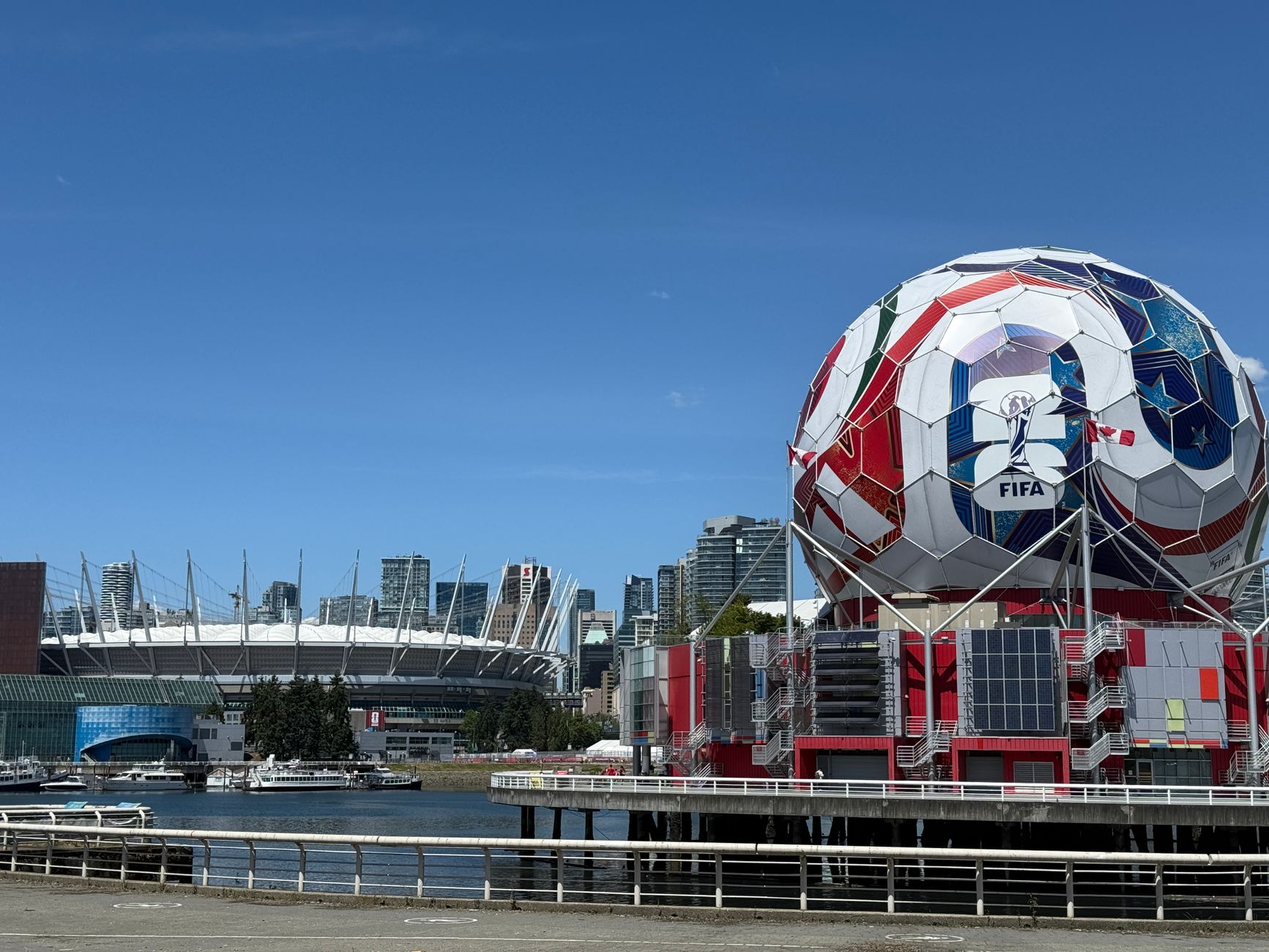
Photo by The Six on Pexels
What about promoted clubs, derbies, and difficult edge cases?
Promoted clubs will not be confirmed until the 2025/26 Championship promotion race concludes, so any early 2026/27 fixture prediction involving them is provisional. The final Premier League field will contain 20 teams, including returning clubs, promoted sides, and the clubs that avoid relegation from the 2025/26 campaign.
The usual promotion structure gives the Championship play-off winner a place alongside the top two automatic promotion clubs. That means the identity of all 2026/27 participants may remain unresolved until the end of the 2025/26 English football season. A fixture generator cannot honestly publish a complete final schedule before those places are settled. It can publish placeholders, but placeholders are not fixtures; they are football’s version of “trust me, bro.”
Derbies require additional caution. Matches such as Arsenal versus Tottenham Hotspur, Liverpool versus Everton, Manchester City versus Manchester United, and Chelsea versus Arsenal may be moved because local authorities assess crowd movement, policing, transport, and stadium congestion. High-profile fixtures are also attractive television products, increasing the probability of time changes.
A useful schedule checklist includes:
- Whether a match is a local derby.
- Whether either club has UEFA Champions League or UEFA Europa League commitments.
- Whether the stadium is hosting another event.
- Whether the match is selected for television.
- Whether a postponement creates a midweek replacement.
- Whether supporter travel depends on an early kick-off.
The [Internal Link: Premier League derby prediction guide] can help separate historical rivalry from current tactical strength. The expected value of a derby prediction should use recent xG, injuries, home advantage, and schedule congestion—not merely a dramatic headline and a fan argument conducted at 1:14 a.m.
Where does the Premier League fixtures 2026/27 schedule fail?
The fixture list fails when readers treat release dates, kick-off times, and ticket availability as permanent facts. The Premier League schedule is a planning framework, not a legally binding promise that every match will begin on its original Saturday afternoon slot.
The first major failure point is broadcast selection. In the United Kingdom, television providers may choose fixtures for live coverage, moving matches from Saturday to Friday, Sunday, or Monday. International broadcasters can apply different schedules, while cup progress and European commitments create further adjustments. A supporter booking a non-refundable train before checking the latest club announcement is effectively donating money to the transport industry.
The second failure point is incomplete information. A fixture may show a date but not a confirmed kick-off time. Another may be listed as “subject to change” because of FA Cup, EFL Cup, UEFA, or security considerations. The Premier League handbook and competition information offer useful governance context, but supporters should still verify match-specific notices from clubs.
The third failure point concerns prediction services. Some websites publish simulated schedules or projected opponents before the official draw-style process is complete. Those tools can be useful for scenario analysis, but they should label assumptions clearly. Goal Moments can add value by combining confirmed fixtures with team tactics, player availability, and statistical form, rather than pretending uncertainty has vanished because a table looks polished.
Here is the practical risk ranking:
- Low risk: using an official fixture as a provisional planning reference.
- Moderate risk: buying flexible travel after a date is announced.
- High risk: buying non-refundable travel before broadcast confirmation.
- Very high risk: basing a wager solely on an unconfirmed simulated fixture.
Need help separating confirmed information from schedule speculation?

Photo by Huy Phan on Pexels
Should you try tracking the 2026/27 fixtures today?
Yes, you should track the Premier League fixtures 2026/27 today, but you should not treat every early listing as final. The most efficient method is to create a monitoring routine that separates confirmed league dates from broadcast changes, postponements, and club-specific ticket notices.
Begin with the Premier League’s official fixture page and the website of the club you follow. Add only confirmed information to your main calendar, then place provisional dates in a separate colour or calendar category. This small distinction prevents the classic mistake of assuming “date published” means “kick-off guaranteed.” It does not.
For match predictions, use a staged model:
- Schedule layer: confirm opponent, venue, date, and competition conflicts.
- Availability layer: check injuries, suspensions, World Cup returns, and rotation.
- Performance layer: assess xG, shots, defensive actions, home advantage, and recent form.
- Tactical layer: compare pressing, transitions, set pieces, and expected line-ups.
- Market layer: compare your probability estimate with available odds and account for margin.
- Risk layer: set limits and avoid chasing losses after a postponed or unexpected result.
A simple expected-value formula remains useful: EV = (probability of success × potential net return) − (probability of failure × stake). The formula does not make anyone omniscient. It merely stops confidence from dressing up as mathematics.
Goal Moments focuses on FIFA World Cup coverage, match predictions, team tactics, player statistics, and daily tournament analysis. For related methodology, see the [Internal Link: football expected-value betting guide] and [Internal Link: Premier League fixture-change tracker].
The responsible conclusion is boring, which usually means it is correct: follow official sources, wait for confirmed details, and treat predictions as probabilities rather than guarantees.
Make your 2026 football planning more evidence-based.
Premier League fixtures 2026/27: Key takeaways
The Premier League fixtures 2026/27 campaign should contain 380 matches across 20 clubs, beginning in August 2026 and ending in May 2027, but exact dates and kick-off times remain vulnerable to television, cup, European, safety, and stadium changes. The 2026 FIFA World Cup adds a less obvious variable: international players may return late or require managed minutes during the opening weeks. Use the official Premier League schedule as your baseline, confirm changes through clubs and broadcasters, and update predictions after team news. Goal Moments can support that process with tactical analysis, player statistics, predictions, and wider 2026 tournament coverage. Read the details, check the maths, and keep your wallet out of panic mode, believe it or not — I do.
Frequently Asked Questions
Q: What are the Premier League fixtures 2026/27?
A: The Premier League fixtures 2026/27 are the official schedule of 380 matches involving 20 clubs during the 2026/27 English top-flight season. The campaign is expected to begin in August 2026 and finish in May 2027. Exact opponents, dates, and kick-off times should be confirmed through the Premier League and participating club websites. Early projected schedules may change after promotion, relegation, television selection, cup draws, and European competition commitments are resolved.
Q: When will the Premier League fixtures 2026/27 be released?
A: The 2026/27 Premier League fixture list is expected to be released before the season begins, with the precise announcement date confirmed by the Premier League. Supporters should use the official fixture page rather than relying on screenshots or unofficial social-media posts. Even after release, selected matches can move to different dates or kick-off times. Set calendar reminders for club announcements, especially if travel or accommodation depends on a specific fixture.
Q: How do I check Premier League fixtures 2026/27?
A: Check the Premier League’s official fixtures page first, then compare the information with the relevant club website and broadcaster schedule. Search by club, matchweek, venue, or date, and look for labels indicating that a fixture is subject to change. Confirm the latest update before buying tickets or transport. For predictions, also check injuries, suspensions, World Cup participation, and European match commitments.
Q: What is the difference between a Premier League fixture date and a confirmed kick-off time?
A: A fixture date identifies when a match is provisionally scheduled, while a confirmed kick-off time indicates that broadcast, policing, and competition considerations have been reviewed. A Saturday date may later move to Friday, Sunday, or Monday because of television coverage. Club ticket offices normally provide match-specific updates, but supporters should not assume a published date guarantees the original time. Flexible bookings reduce the financial risk of schedule changes.
Q: Will the 2026 FIFA World Cup change the 2026/27 Premier League fixtures?
A: The 2026 FIFA World Cup is unlikely to create direct overlap with the main 2026/27 Premier League campaign because the tournament is scheduled for June and July 2026. Its indirect effects may include late player returns, reduced preseason preparation, fatigue, and increased rotation during August and September. Clubs with many World Cup players could therefore show different line-ups from the opening fixtures. Monitor training reports and manager comments before assessing early-season performance.
Q: Why does a Premier League fixture sometimes move after publication?
A: Fixtures move because of live television selection, FA Cup or EFL Cup progress, UEFA competition commitments, stadium availability, policing requirements, and exceptional events. A match can retain the same opponent and venue while changing from Saturday afternoon to Sunday or Monday evening. Weather can also cause disruption, although it is less common than broadcast or competition conflicts. Always check the latest official club notice before travelling.
Q: Can I use Premier League fixtures 2026/27 for betting predictions?
A: You can use the fixture list as one input for betting analysis, but fixtures alone cannot establish a reliable wager. Combine venue, opponent strength, xG, injuries, suspensions, tactical match-ups, World Cup workload, and current odds before calculating expected value. Use a probability estimate and compare it with the implied probability after accounting for bookmaker margin. Set a budget, avoid chasing losses, and remember that no prediction model removes match uncertainty.
End of transmission.
Goal Moments • Neon Protocol • System Active