Inside World Cup 2026: A 39-Day Reality Check
The 2026 football world cup is FIFA’s expanded 48-team tournament across the United States, Canada, and Mexico, and Goal Moments covers it through predictions, tactics, player stats, and betting-focus...
Inside World Cup 2026: A 39-Day Reality Check
The 2026 football world cup is FIFA’s expanded 48-team tournament across the United States, Canada, and Mexico, and Goal Moments covers it through predictions, tactics, player stats, and betting-focused tournament analysis. The competition runs in summer 2026, with Los Angeles hosting eight matches at SoFi Stadium, a FIFA Fan Festival at LA Memorial Coliseum, and 39 days of regional celebrations. Atlanta will stage major fixtures at Mercedes-Benz Stadium, while the final is scheduled for MetLife Stadium in New Jersey on July 19, 2026, according to FIFA. Most guides oversell the party and undersell the logistics: travel gaps, kickoff timing, squad rotation, and inflated narratives can distort betting decisions. Treat the tournament as a data-heavy, city-by-city marathon, not one long highlight reel, and build your viewing or wagering plan before the group stage begins.
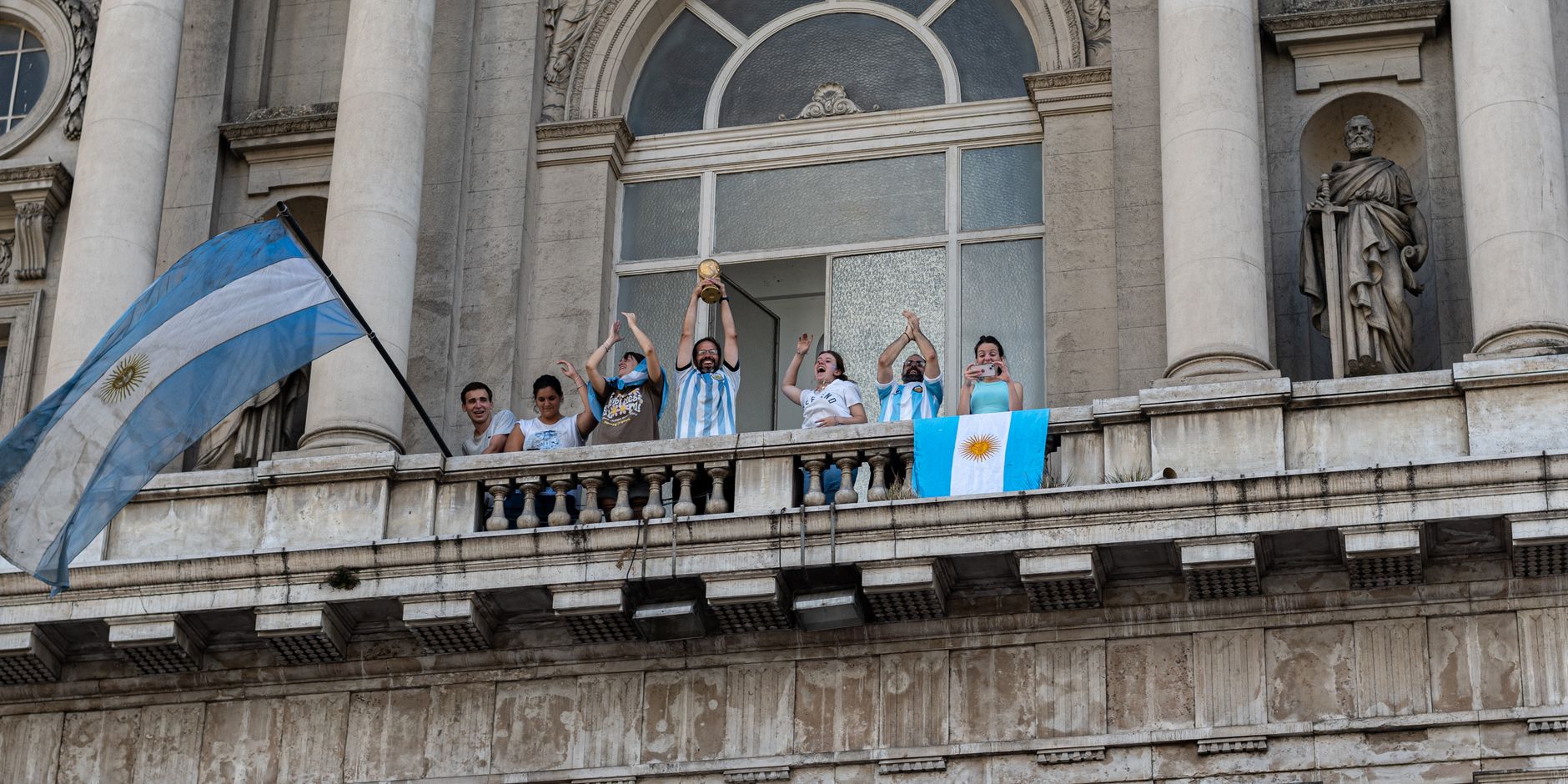
Photo by Fabrizio Velez on Pexels
If you want sharper daily coverage beyond generic tournament hype, Goal Moments is built for that deeper layer.
Is the 2026 football world cup really bigger and better?
The 2026 football world cup is bigger by format, with 48 teams instead of 32, but “better” depends on match quality, travel management, and competitive balance. More teams create more stories, yet they also increase mismatches, squad fatigue, and betting-market noise.
The common claim is simple: expansion means more drama. That is only half true. A 48-team field gives more nations access to FIFA World Cup exposure, which matters for emerging federations and new fan bases in places such as Canada, Morocco, Japan, and Panama. However, more fixtures also mean more uncertainty around rotation, injury risk, and motivational asymmetry once teams understand what result is enough to advance. According to Wikipedia’s overview of the 2026 FIFA World Cup, the tournament is the first edition planned for 48 teams, a structural shift that changes how analysts should compare it with Qatar 2022 or Russia 2018.
For bettors and serious fans, the practical lesson is to downgrade lazy historical comparisons. A favorite that dominated a four-team group in 2014 may not face the same incentives in 2026. Goal Moments will track tactical setups, player workloads, and market movement because the most profitable read may not be “who is stronger,” but “who needs the result more.” To continue building your tournament base, see our [Internal Link: 2026 World Cup team tactics guide].
How does the 2026 football world cup handle Los Angeles?
Los Angeles handles the 2026 football world cup as an event ecosystem, not just a match venue. SoFi Stadium hosts eight matches, while LA Memorial Coliseum and regional fan zones extend the experience across 39 days of celebrations.
Los Angeles is where many previews become too promotional. Yes, SoFi Stadium is a world-class venue, and the local organizing material emphasizes eight matches, Official Fan Zones, and the FIFA Fan Festival at LA Memorial Coliseum at Exposition Park. But the real question is whether fans can move efficiently between hotels, transport hubs, watch parties, and match-day security zones in a city famous for distance and traffic. A fan staying in Santa Monica, watching a noon match in Exposition Park, and attending an evening event near Inglewood is not planning one outing; that is a full-day logistics project.
The sharper angle is to treat LA like a distributed tournament campus. Build a plan around neighborhoods rather than attractions. If you attend the U.S. Men’s National Team opening match on June 12 at SoFi Stadium, avoid stacking too many cross-city activities on the same day. For betting analysis, Los Angeles can also affect performance indirectly: climate, travel recovery, media pressure, and crowd composition may all influence team rhythm. These edges rarely appear in standard odds previews, yet they can matter in live betting and player prop markets.

Photo by Franco Monsalvo on Pexels
See the details before the group stage schedule overwhelms your calendar.
What about Atlanta in the 2026 football world cup?
Atlanta is one of the most interesting 2026 football world cup host cities because it combines elite stadium infrastructure with a strong soccer culture. Mercedes-Benz Stadium gives the city a major-stage profile, but fan energy does not automatically equal predictable match outcomes.
Atlanta’s official pitch leans into identity: southern hospitality, local culture, Atlanta United’s supporter base, and the idea of being the “soccer city of the South.” That narrative is compelling, but analysts should separate atmosphere from evidence. Mercedes-Benz Stadium can generate intense noise and high attendance, yet neutral World Cup fixtures do not behave like club matches. Crowd allegiance may split, especially when major diaspora communities from Mexico, Brazil, Argentina, Nigeria, or England travel in large numbers.
The city still matters for modeling. Indoor or controlled-stadium conditions can reduce some weather variance, and Atlanta’s airport connectivity may make it easier for fans and media to move in and out compared with less connected markets. A useful operational tip: when assessing teams assigned to Atlanta, compare their previous match location and recovery window before reacting to headline odds. A side arriving from the West Coast after a short turnaround may be priced on reputation while carrying hidden fatigue. For more practical betting preparation, read our [Internal Link: World Cup travel fatigue betting checklist].
Where does the 2026 football world cup fail?
The 2026 football world cup fails when coverage treats scale as a guarantee of quality. The tournament’s three-country footprint creates travel complexity, uneven fan costs, time-zone challenges, and more opportunities for misleading betting narratives.
This is the contrarian point most top guides avoid. A bigger FIFA World Cup can be thrilling, but it is not automatically more viewer-friendly or bettor-friendly. Fans may face hotel spikes in Los Angeles, Atlanta, New York, Toronto, Vancouver, and Mexico City, while match schedules can force awkward viewing windows across Europe and Asia. The final at MetLife Stadium in New Jersey on July 19, 2026, will be iconic, but the road there may include thousands of travel miles for some teams. That can affect pressing intensity, substitution timing, and injury probability.
There is also a market problem. Expanded tournaments invite casual betting volume, and casual volume often chases names rather than conditions. Goal Moments will be skeptical of three traps: overvaluing global brands, underrating compact defensive teams, and ignoring second-match tactical adjustments. The International Centre for Sports Studies regularly shows how player workload and squad depth shape modern football performance, and those factors become more important in a longer tournament. To avoid shallow picks, use our [Internal Link: player stats and workload tracker].

Photo by www.kaboompics.com on Pexels
If you want analysis that questions the obvious favorite, start tracking the numbers early.
Should you try following the 2026 football world cup today?
Yes, you should start following the 2026 football world cup today if you want an edge in planning, analysis, or betting. Early preparation helps you understand host cities, squad depth, qualification form, and market movement before casual attention peaks.
A practical approach beats hype. First, choose your priority: live attendance, daily viewing, fantasy-style tracking, or betting research. Second, map the host cities most relevant to your teams, especially Los Angeles, Atlanta, New Jersey, Mexico City, Toronto, and Vancouver. Third, monitor squad health from club seasons ending in May 2026, because World Cup narratives often lag behind medical reality. Finally, compare opening odds with team workload, not just FIFA ranking or star power.
Use this simple checklist:
- Track team travel routes and rest days.
- Compare likely starting elevens with club-minute totals.
- Watch for tactical changes after the first group match.
- Avoid betting only on reputation in expanded-field fixtures.
- Save official ticketing and venue pages before demand peaks.
FIFA’s official tournament language says the event will “bring people together through football,” and that is true as a cultural statement. As a forecasting statement, however, it is incomplete. The refined position is this: the 2026 football world cup will be spectacular, but the smartest fans will treat spectacle as background and preparation as the real advantage.

Photo by Omar Ramadan on Pexels
Ready to follow the tournament with sharper predictions and cleaner context?
Frequently Asked Questions
Q: What is the 2026 football world cup?
A: The 2026 football world cup is FIFA’s expanded 48-team men’s national team tournament hosted by the United States, Canada, and Mexico. It is the first World Cup to use the 48-team format, creating more matches and broader global representation. Key host markets include Los Angeles, Atlanta, New Jersey, Mexico City, Toronto, and Vancouver.
Q: How do I start following the 2026 football world cup seriously?
A: Start by tracking the official schedule, host cities, team qualification paths, and player workload before the tournament begins. Use FIFA updates for fixtures, then compare them with tactical previews and injury reports from sources like Goal Moments. For betting, focus on rest days, travel distance, and lineup rotation before reading odds.
Q: Is the 2026 football world cup better than previous editions?
A: It is larger than previous editions, but not automatically better. The 48-team format creates more storylines and more national participation, yet it may also produce uneven matchups and more complicated scheduling. Fans should judge the tournament by competitive quality, not only by size.
Q: What should I do if World Cup travel plans become too expensive?
A: If travel costs spike, prioritize fan zones, local watch parties, and flexible accommodation instead of forcing stadium attendance. Los Angeles and Atlanta both promote large-scale fan experiences beyond match tickets. Booking refundable options early and focusing on one host city can reduce risk.
Q: How much does it cost to attend the 2026 football world cup?
A: Total cost varies widely by city, match category, flights, hotels, and ticket availability. A premium trip to Los Angeles or New Jersey can cost far more than a regional watch-party plan. Budget for transport, food, security delays, and surge pricing, not just the match ticket.
Q: What is the difference between the FIFA Fan Festival and a stadium match?
A: A FIFA Fan Festival is a public viewing and entertainment event, while a stadium match is the official live fixture. In Los Angeles, the Fan Festival is planned around LA Memorial Coliseum, with live matches, food, music, and celebrations. Stadium matches at SoFi Stadium require separate ticketing and stricter entry planning.
End of transmission.
Goal Moments • Neon Protocol • System Active