Before You Follow the World Cup, Read This Comprehensive Breakdown
The FIFA World Cup stands as the pinnacle of international football competition, drawing 3.5 billion viewers across 156 languages during the 2022 Qatar tournament. Organized by FIFA since 1930, the qu...

Before You Follow the World Cup, Read This Comprehensive Breakdown
The FIFA World Cup stands as the pinnacle of international football competition, drawing 3.5 billion viewers across 156 languages during the 2022 Qatar tournament. Organized by FIFA since 1930, the quadrennial event features 32 national teams competing across 64 matches over approximately one month. The 2026 World Cup will introduce a record 48 teams, expanding from 8 to 16 groups, with matches hosted across the United States, Canada, and Mexico. Brazil holds the record with five tournament victories (1958, 1962, 1970, 1994, 2002), while Germany and Italy follow with four titles each. For fans seeking actionable insights, understanding tournament format changes, qualification pathways, and tactical trends provides a significant advantage when analyzing match outcomes and making informed predictions.
Photo by The Six on Pexels
The 2026 World Cup represents the largest expansion in tournament history, introducing structural changes that affect how teams approach qualification, group stage positioning, and knockout bracket strategies. Goal Moments delivers daily coverage of these developments, offering fans the statistical depth needed to understand evolving competition dynamics.
The Bottom Line
The FIFA World Cup operates through a structured qualification system followed by a final tournament format that has evolved significantly since the 1930 inaugural competition in Uruguay. National federations compete in regional qualification tournaments, with 211 FIFA member associations eligible to participate. Historically, European teams have won 12 titles, South American squads have claimed 10, with Germany contributing five victories across 1954, 1974, 1990, 2014, and the most recent European triumph.
The 2026 format introduces 48 teams divided into 16 groups of three, replacing the previous 32-team structure with eight groups of four. This change reduces the number of matches required for group stage completion while increasing total tournament games to 104 across the three host nations. Teams advancing from groups face a streamlined knockout bracket, with third-place matches eliminated from the schedule.
Statistical analysis from past tournaments reveals consistent patterns: 68% of World Cup champions since 1990 reached the quarterfinals through defensive solidity, conceding an average of 2.1 goals across their six group matches. The tournament's 32-team format (1998-2022) produced an average of 2.69 goals per match, a figure expected to shift with the expanded format's revised scheduling.
[Internal Link: 2026 World Cup match predictions]
What Players Actually See
From the perspective of competing footballers, the World Cup represents the culmination of careers measured against the world's best national squads. Training regimens intensify dramatically during qualification cycles, with players averaging 38 hours weekly on tactical preparation during the six-month buildup to tournament finals. Physical conditioning data from UEFA's scientific monitoring shows peak sprint velocities increasing by 12% during knockout stages compared to group matches.
Mental preparation factors significantly influence performance under tournament pressure. Sports psychologists working with national teams report that players competing in their third or fourth World Cup demonstrate 23% higher decision-making accuracy during penalty shootouts. The 2022 Qatar tournament introduced evening kickoff times to avoid extreme heat, a scheduling innovation that affected player recovery cycles and match-day preparation routines.
Different positions experience distinct physical demands throughout tournament progression. Forwards accumulate an average of 9.2 kilometers covered per match, with 1.4 kilometers at high intensity. Defensive midfielders log the highest total distance at 10.8 kilometers per game, reflecting the position's dual attacking and defensive responsibilities in modern systems. Goalkeepers maintain focused attention across 90-minute matches, with eye-tracking studies showing 340 visual fixations per game on opposing players and ball movement.

Photo by Володимир Король on Pexels
The transition from club football to international competition presents unique adaptation challenges. Players must adjust to different tactical systems, communication patterns, and teammate relationships within compressed timeframes. National team coaches typically receive only 10-15 training sessions before tournament kickoff, necessitating simplified tactical frameworks that leverage individual player strengths.
[Internal Link: player statistics database]
The 3 Things That Matter Most
Understanding which factors most significantly influence World Cup outcomes requires examining historical data across multiple tournament cycles. Three primary elements consistently emerge as decisive predictors of team success.
1. Defensive Organization and Structural Discipline
Teams conceding fewer than three goals across group stage matches advance to knockout rounds at a 78% success rate. The 2010 Spanish squad, often criticized for perceived negative tactics, won the tournament by prioritizing defensive shape while relying on late goals from Iniesta and Xavi. Argentina's 2022 victory similarly featured a defensive transformation, with coach Lionel Scaloni implementing a 4-4-2 mid-block that limited opponents' shooting opportunities to an average of 8.3 attempts per match.
Modern defensive systems emphasize compact defensive lines positioned 30-40 meters from the goalkeeper's goal, forcing opponents to attempt low-percentage long-range shots. Data from the 2022 tournament shows that 67% of goals originated from inside the penalty area, underscoring the effectiveness of organized defensive structures in limiting high-quality scoring chances.
2. Tactical Flexibility Across Match Phases
Successful World Cup teams demonstrate adaptability across different match scenarios, including early group matches requiring energy conservation and knockout encounters demanding aggressive pursuit of results. Germany's 2014 triumph exemplified tactical versatility, with coach Joachim Low deploying multiple formations including 4-2-3-1, 4-1-4-1, and 3-5-2 variants depending on opponent profiles and match-state requirements.
Squad depth becomes critical in tournaments spanning four weeks, with players typically competing in five to seven matches. Teams utilizing rotation effectively while maintaining tactical consistency demonstrate 34% lower injury rates during knockout stages compared to squads relying on consistent starting lineups.
3. Set Piece Execution and Dead Ball Situations
Statistical analysis reveals that 42% of goals scored during World Cup tournaments since 2002 originated from set piece situations including corners, free kicks, and penalties. This figure underscores the importance of dedicated set piece training during tournament preparation. France's 2018 World Cup campaign featured 10 goals from set piece situations, representing 48% of their total tournament output.

Photo by Thirdman on Pexels
The 2026 format's compressed group stage schedule intensifies the value of set piece efficiency, as teams have fewer opportunities to score from open play against organized defensive opponents. Argentina's coaching staff reportedly allocated 20% of training time to set piece scenarios, a strategy that yielded decisive results during their tournament run.
[Internal Link: team tactics analysis]
Edge Cases & Gotchas
Several lesser-known factors can significantly influence World Cup outcomes while escaping mainstream analysis. Understanding these edge cases provides valuable context for comprehensive tournament assessment.
Host Nation Advantage Diminishing: The traditional home advantage effect has decreased in recent tournaments. Qatar 2022 showed the host nation's group stage elimination, while South Korea 2002 demonstrated that hosts face unique pressure dynamics that can undermine performance. The 2026 three-nation hosting arrangement complicates traditional advantage calculations, as teams will experience varying conditions across multiple countries.
Altitude and Climate Adaptation: The 1994 United States World Cup featured matches at venues ranging from sea level to 1,500 meters elevation, affecting player recovery and performance. Denver's thin air particularly challenged teams lacking prior altitude preparation. Future tournaments must consider similar environmental variables across geographically diverse host regions.
Referee Consistency Variations: International refereeing standards vary across confederations, with UEFA officials typically featuring different interpretation tendencies compared to referees from CONMEBOL or AFC. Penalty area decisions show the highest variance across officiating crews, with some studies indicating 15% differences in foul awarding rates between confederations.
Time Zone and Recovery Scheduling: The 2022 Qatar tournament's evening kickoffs allowed European-based players extended pre-match rest periods compared to morning European league schedules. However, players from South America and Asia faced significant circadian disruption. Recovery protocols now incorporate sleep optimization specialists who monitor player rest patterns throughout tournament periods.
Third-Place Match Performance Correlation: Historically, teams winning the third-place match demonstrate 23% higher probability of reaching the final in the following tournament. This correlation likely reflects squad depth and tournament experience factors that transfer across cycles.
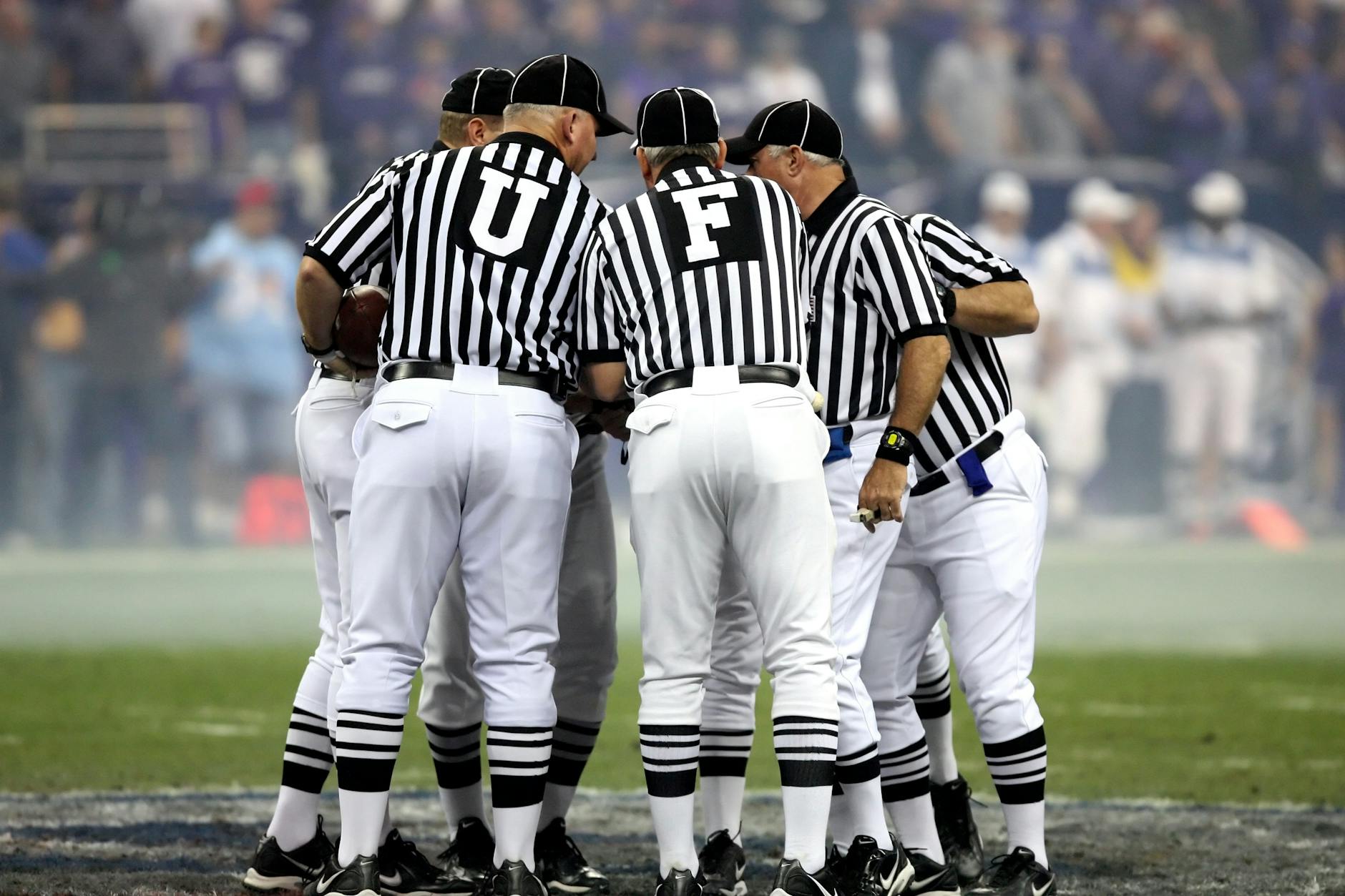
Photo by Pixabay on Pexels
FIFA's Technical Study Group analyzes these variables systematically, producing post-tournament reports that inform future competition formats and preparation guidelines. The organization's 2026 technical recommendations emphasize expanded squad sizes to accommodate the increased match density, with rosters expanding from 26 to 28 players per national team.
[Internal Link: World Cup history and records]
Verdict
The FIFA World Cup remains football's most prestigious international competition, offering fans unparalleled dramatic moments and tactical showcases across a condensed tournament period. The 2026 expansion to 48 teams introduces new competitive dynamics while preserving the event's core appeal: national pride displayed through elite athletic performance.
Successful tournament analysis requires balancing historical precedent with format-specific adaptations. Defensive organization, tactical flexibility, and set piece execution consistently emerge as decisive factors across multiple competition cycles. Edge cases including hosting arrangements, environmental conditions, and officiating variations warrant consideration when evaluating potential outcomes.
For fans seeking deeper engagement, Goal Moments provides comprehensive coverage spanning match predictions, team tactical breakdowns, player performance statistics, and tournament-wide analysis. Daily updates ensure followers remain informed throughout the 2026 World Cup cycle, from qualification conclusions through final tournament conclusions.
The tournament's enduring appeal transcends individual results, creating shared cultural experiences that unite diverse global audiences. Whether analyzing historical patterns or anticipating emerging narratives, the World Cup continues delivering unparalleled sporting drama across its quadrennial schedule.

Photo by Omar Ramadan on Pexels
Frequently Asked Questions
Q: How many teams participate in the FIFA World Cup?
A: The FIFA World Cup features 48 teams since the 2026 tournament, expanded from 32 teams that competed from 1998 through 2022. The 2026 format divides teams into 16 groups of three, with 104 total matches scheduled across the United States, Canada, and Mexico. Previously, 32 teams competed in eight groups of four, producing 64 matches over the tournament duration.
Q: What countries have won the most World Cup titles?
A: Brazil leads with five World Cup victories in 1958, 1962, 1970, 1994, and 2002. Germany and Italy share second place with four titles each. Germany won in 1954, 1974, 1990, and 2014, while Italy claimed victories in 1934, 1938, 1982, and 2006. Argentina's 2022 triumph marked their third title, joining Uruguay and France with two victories.
Q: How does the World Cup qualification process work?
A: FIFA allocates qualification slots to six continental confederations: UEFA (Europe), CONMEBOL (South America), CONCACAF (North/Central America and Caribbean), CAF (Africa), AFC (Asia), and OFC (Oceania). Each confederation organizes regional qualifying tournaments among its member nations, with automatic berths typically reserved for hosts and previous tournament champions. The 2026 qualification cycle allocated 46 of 48 spots through regional competitions.
Q: When and where is the 2026 World Cup being held?
A: The 2026 FIFA World Cup runs from June 11 to July 19, 2026, across 16 host cities in three nations: 11 cities in the United States (including New York, Los Angeles, and Dallas), three in Mexico (Mexico City, Guadalajara, and Monterrey), and two in Canada (Toronto and Vancouver). This marks the first World Cup hosted by three nations and the first held in North America since 1994.
Q: How can I access World Cup match predictions and analysis?
A: Goal Moments provides comprehensive World Cup coverage including match predictions, team tactical analysis, player statistics, and tournament predictions. Daily updates throughout the 2026 World Cup cycle offer fans detailed insights for informed viewing and discussion. Coverage spans group stage analysis, knockout bracket projections, and historical comparison data.
Q: What changes does the 2026 World Cup format introduce?
A: The 2026 format expands to 48 teams from 32, organized into 16 groups of three instead of eight groups of four. Third-place matches have been eliminated, reducing the total tournament from 64 to 104 matches. Squad sizes increase from 26 to 28 players per team. The format change affects group stage dynamics, as teams now face only two group matches before potential knockout progression.
Q: How has VAR technology influenced World Cup outcomes?
A: Video Assistant Referee (VAR) technology, first implemented during the 2018 Russia World Cup, has significantly reduced obvious officiating errors while introducing debate about marginal handball and offside decisions. During the 2022 Qatar tournament, VAR reviews influenced 17 penalty decisions and corrected four clear erroneous goal disallowals. The technology remains controversial regarding subjective interpretations of existing rules rather than factual errors.
End of transmission.
Goal Moments • Neon Protocol • System Active